

While poison plays a big part in my story How to Murder a Duke, in truth, the Victorian Era was full of things that were poisonous and hazardous, many of which were sold a health aids or beauty treatments, or even home décor. It’s amazing that any of us are here today. I don’t know how the Victorians survived their era. They must have been made of sturdy stuff.
- Does anyone know what the king of poisons was during the Victorian Era? Arsenic! Yes, arsenic was king of the poisons, but he was not alone, his loyal subjects were many. Radium and uranium oxide, as well as arsenic were all found in household décor. Your home is supposed to be your castle, your sanctuary, but in this era, their houses were trying to kill them.
- Have you ever heard the saying Mad as a Hatter? Do you know where the saying came from? Mercury used to treat the felt.
Yes, mercury was used to treat felt then made into hats. Now you know where that saying came from. Mercury could bring on madness and other health issues, such as death. Mercury was also used to treat STDs, no wonder the Victorians believed being promiscuous could kill you, it literally could.
Lead paint was used on everything from baby’s toys to the kitchen table. Were any of the Victorian’s sane? Potassium chlorate candies were used to soothe a sore throat. They could spontaneously combust, and then you’d really have a problem, but probably no more sore throat, then again, you’d probably not have a throat.
Pharmacists would be happy to mix up something to soothe the baby and help them sleep, a concoction that often contained morphine, codeine or opium. Babies would sleep like, well, like a baby. Oh yes, you didn’t even need a prescription to get them many of these were sold over the counter or in catalogs. The Victorian Era had a higher rate of drug use than even our modern times. As we’ve already heard, even Coca-Cola had cocaine as one of its ingredients. I bet that was a very refreshing drink.
Lady’s face powder might contain arsenic for a paler complexion, and to keep your dark hair from going grey, how about a mixture of lead and kerosene? Just don’t get too close to an open flame dear, I’d hate for your head to burst into flames. But lady’s hair wasn’t the only things catching on fire, even the fashions a lady wore could cause her death, especially in the earlier part of the Victorian Era with the use of wide crinoline petticoats. So many women succumbed to fire that the use of wide hooped skirts and stiff crinolines finally went out of fashion.
Between 1860 and 1879 numerous health and safety acts were created to combat the poisons in everyday foods such as copper, sulfuric acid and lead in liquor, bread, cheese, pickles and sugary confections. At this time, milk producers would add boric acid to milk to slow down its clotting. It wasn’t until 1892 that this practice was finally abandoned. Milk, it does the body good, what’s a little bug killer going to matter?
Arsenic was the most popular poison for Victorian poisoners because it was readily available. It was used in dye especially the vibrant greens that were popular for wallpaper and rugs during this time. It was also used for killing rodents, one only had to go to the local apothecary or grocer for a bit of arsenic. It was tasteless and odorless.
Following behind arsenic was cyanide and strychnine.
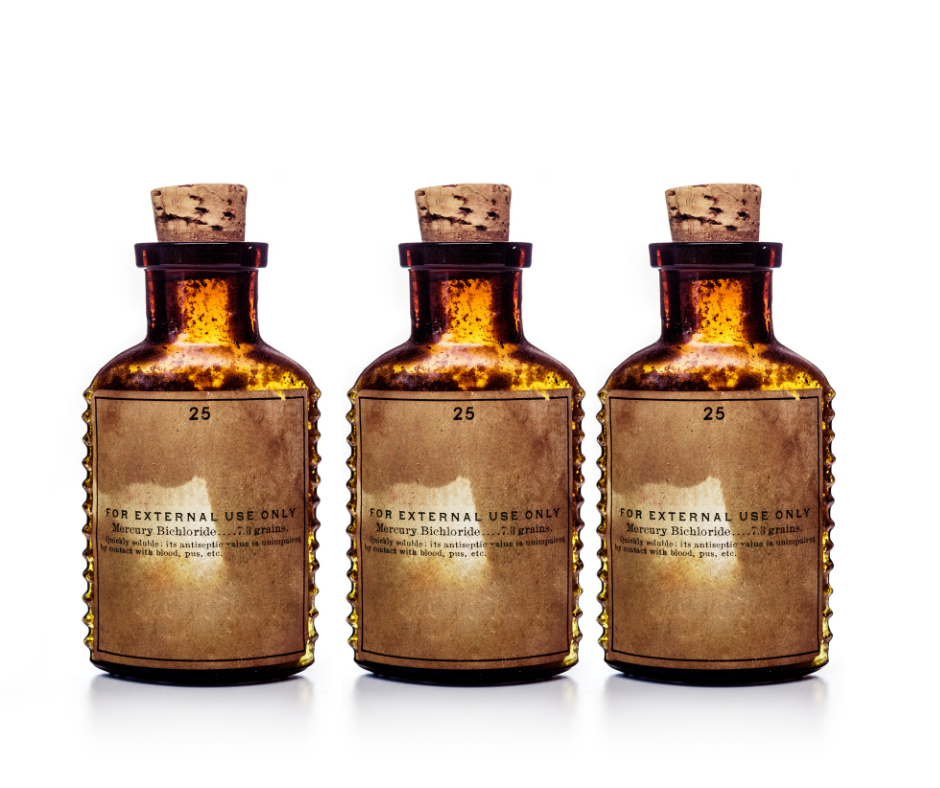
So, I guess choosing to murder someone using poison wasn’t a terribly unique concept, especially for the era. In fact, it’s a wonder anyone had to try and kill another person when so many things were apt to kill them sooner or later.
Sources:
Historical Hazards of the Home Revealed BBC
Victorian Era Dangers that People Faced Geriwalton.com
Arsenic, Cyanide and Strychnine – the Golden Age of Victorian Poisoners https://blogs.bl.uk
Mourning – Victorian Era The Australian Museum
Buy Link: https://books2read.com/How-to-Murder-a-Duke


 Sherri Lupton Hollister, author
Fascinating
Sent from my iPhone
<
div dir=”ltr”>
<
blockquote type=”cite”>
LikeLiked by 1 person