
Whether a plot driven story or a character driven story someone or something has to be doing the action, at least in most stories. It might be different in a literary novel, but I would think something, or someone has to move the story from beginning to end.
A brief explanation, plot driven is all about what is happening, and the characters are secondary to the story. In character driven stories, it’s more about the character’s reaction to what is happening.
Some people feel the need to know everything about a character before starting. Many fill out questionnaires or fact sheets about their characters before they start writing. I’ve tried to do these too. I’ve done fact sheets, interviews, and other detailed character analysis but I spend so much time trying to figure out all of that information that I can’t write. Then I feel so walled in that I’m unable to write.
Everyone has to write however it feels natural to them. It is one of the most important lessons I’ve had to learn. I can’t write the way my friend or mentor does, I’d love to but it doesn’t work for me. I cannot write the way Nora Roberts does but wouldn’t that be fantastic. I have to be me. Like anything else we do, whether cooking or folding clothes or writing, we have to do it the way that fits us best.

NaNoWriMo this isn’t the best time to be a pantser. I find that with writing quickly, as in 50,000 words in a month and writing a series, I need a little more structure than I’ve previously employed. Because I don’t want to waste a lot of time thinking when I should be writing, I took a few weeks in October and started planning my novel, Red Steel. Over the years I’ve tried plotting, outlines, graphs, channeling the muse, seances, okay, maybe not seances but you get it, I’ve tried different methods of planning my novels. I’ve also filled out numerous questionnaires, charted my character’s birth sign, gone on Pinterest to find photos of my character, studied the different personality books, and don’t get me wrong, these methods work. I’ve read the authors that employ these methods and for them, they work. BUT they don’t work for me.
Each class I have taken, each method I have tried, every plotting technique, chart, graph, outline, etc. has taught me a little something. Not just that I’m crazy and a glutton for punishment. So here is what I have learned, my trick to planning my novel and especially my characters. I use two things: index cards (I prefer colored cards, but I have been known to color code my own) and sticky notes (again color coded).
The colors allow me to separate facts into character, story, place, and details.
For characters: on my index cards I write a few facts as I decide them. Maybe I know my guy is African American, but I don’t know how tall he is. Maybe that doesn’t matter or maybe he’s too short to reach something or has to duck to keep from being hit by a ceiling fan. Now I have a visual. I write this on my character notecard. I like the note cards because I can change it and I can carry it with me because I write on the go. I carry a laptop to work and I have an office at home so having it portable is important to me. It may not be as important to you.

The post-in notes/sticky notes are a great way to write one or two lines of facts. You can brainstorm in the beginning before you start and then as you write, you can decide, this isn’t working, let’s move this around or rethink this idea. Maybe the idea needs to be thrown out all together. I write out character names, a few details, maybe hair and eye color, job, when they appear in the story, why they show up. One of my characters is a reporter. Her job is usually fluff pieces about what’s happening in the community, the art gallery opening, the local charity bike-athon, but she gets wind of a real news story and starts trying to get the scoop. She shows up at fires, at a murder dump site, etc. She puts herself in danger to get the story and becomes a nuisance to the local firefighter who is falling for her. So, another post-in note would include when that relationship heats up and when his girlfriend shows up to mess things up.
I know certain things about them, and especially since I’m writing a series, I have lived with these people for several years now. Unlike some series where one or two characters is the main focus and they grow and develop over time, my novel focuses more on a place with assorted characters taking stage. From the first to this being the fifth book, there is less than a year between them so there hasn’t been a lot of time for growth and development. There have been a few circumstances that made the characters grow up in a hurry but when there is fast growth, too often there is a reversion to old patterns. So in trying to be true to my characters, I have allowed a few set-backs.
Before you start writing, what do you need to know about your character.
Basics:
Looks/appearance: Hair color, eye color, height, weight, skin tone, muscle tone?
Race:
Age:
Job/career
Family:
Whatever is important to the story. Don’t spend a lot of time trying to think of things that won’t matter later or that you can discover as you write. If you like to fill out these charts, fine, do it. There is no ONE way to write.
Internal Goals and External Goals:
What do they think they need and what do they need?
Books I’ve used to help with character development
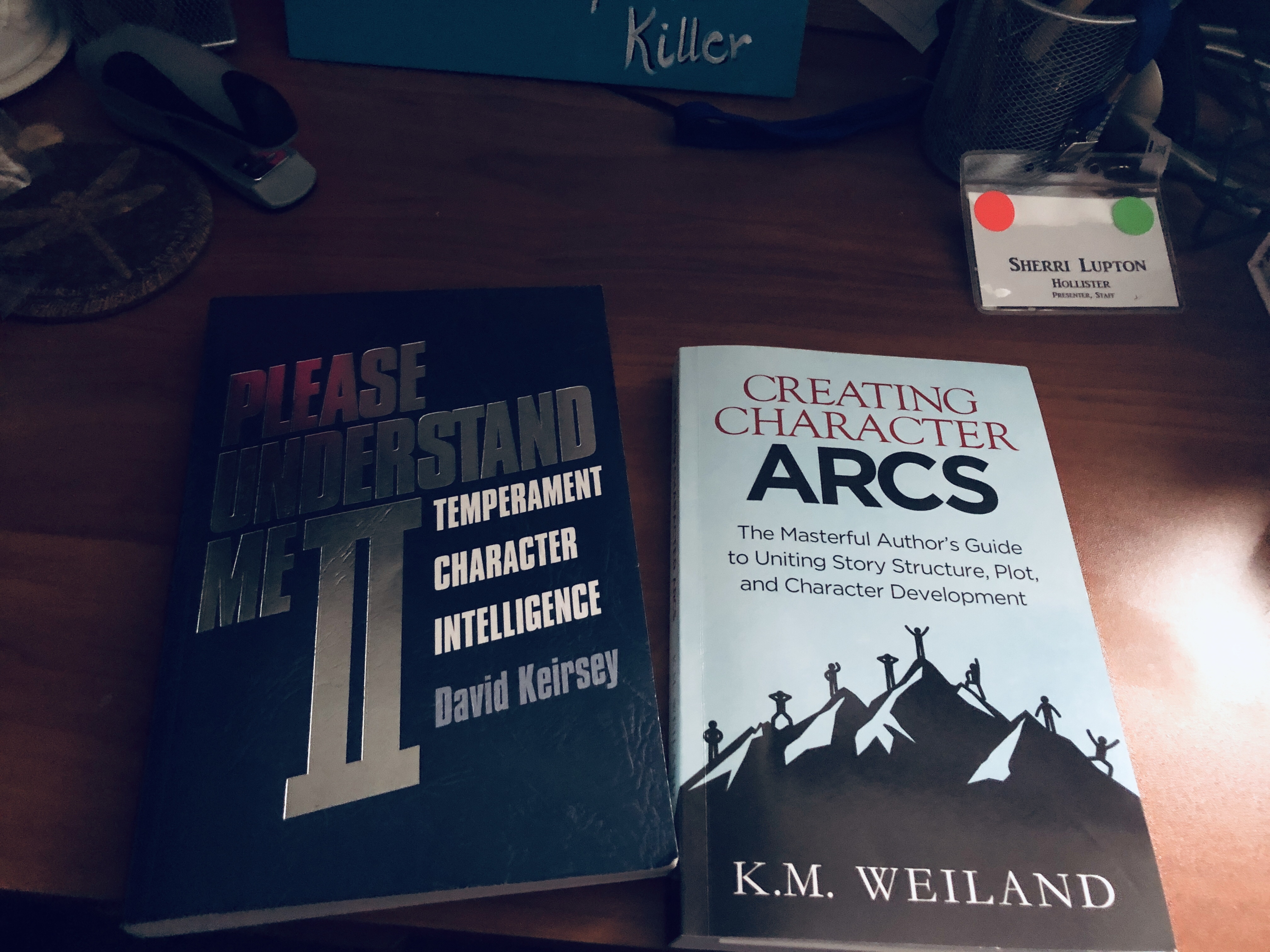
Please Understand Me II by David Kersey
Creating Character ARCS by K M Weiland
The Emotion Thesauraus: A Writer’s Guide to Character Expression
by Angela Ackerman and Becca Puglisi
Creating Character Emotions by Ann Hood
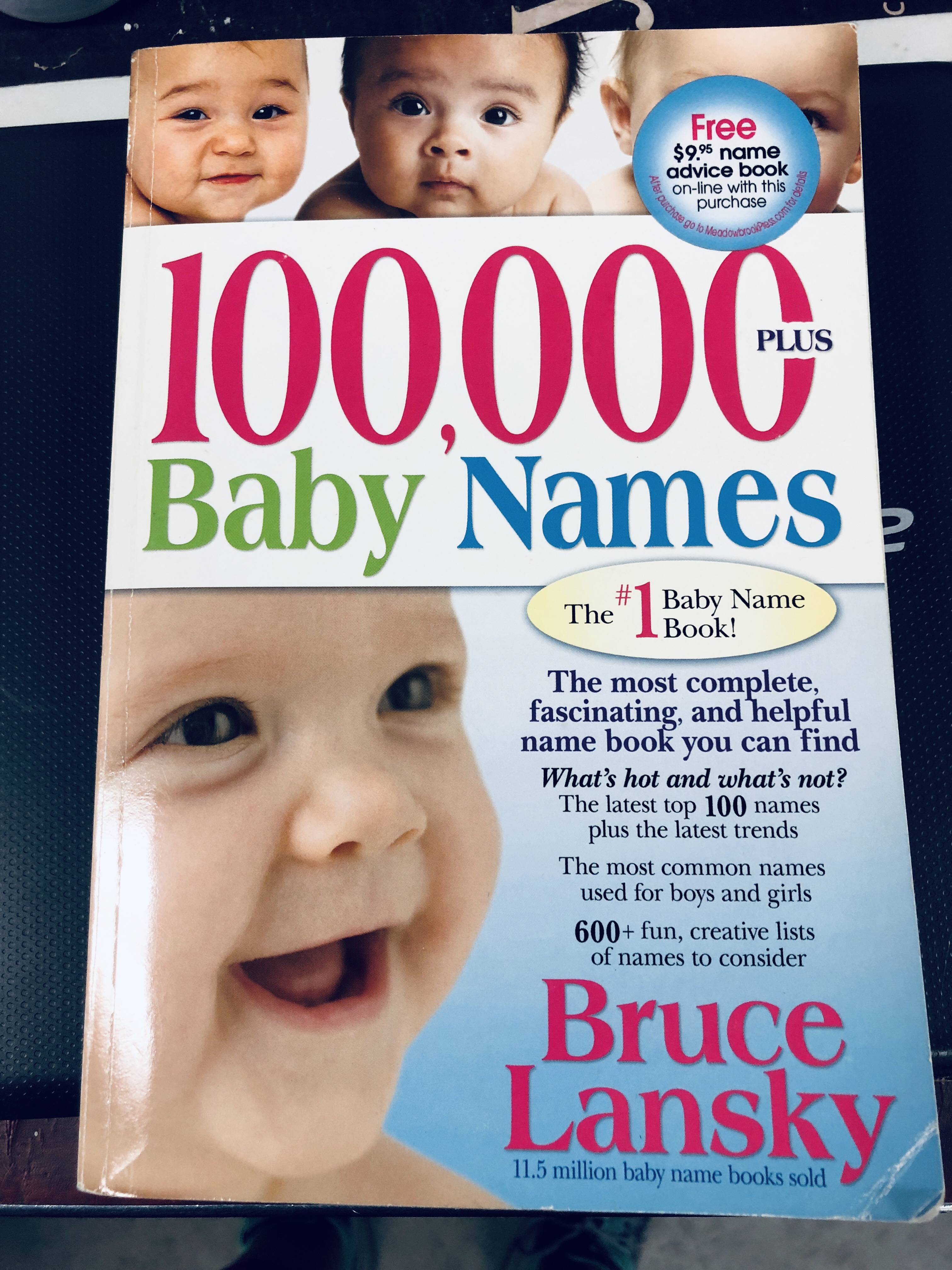
100,000 Baby Names by Bruce Lansky

 Sherri Lupton Hollister, author
You must be logged in to post a comment.